5 Creative Content Marketing Ideas to Stand Out in 2023

Content marketing has become a vital component of any successful marketing strategy. With the ever-evolving digital landscape, it’s important to keep your content fresh and exciting to engage your audience. In this blog post, we will explore 5 creative content marketing ideas that will help you stand out in 2023.
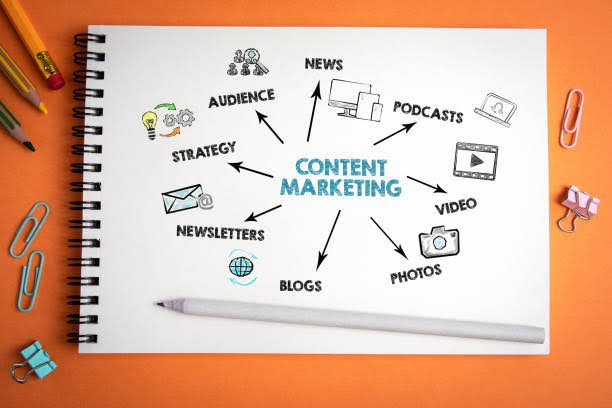
Learn The Power of Storytelling in Content Marketing: How to Create Compelling Stories

Interactive content:

Interactive content is a great way to engage your audience and provide them with an immersive experience. This type of content includes quizzes, polls, and interactive videos. These types of content are becoming more popular as they allow the audience to participate actively in the content, creating a personalized experience. Interactive content can be used for product demos, surveys, or even educational content. For example, a fashion brand could create an interactive quiz to help customers find their perfect style.

Live streaming:

Live streaming has been around for some time, but it has gained popularity in recent years. Live streaming is an excellent way to connect with your audience and create a sense of community. Live streaming can be used for product launches, webinars, Q&A sessions, or even behind-the-scenes looks at your brand. Live streaming allows your audience to engage with your content in real-time, creating a more personalized experience.

User-generated content:

User-generated content is content created by your audience, which can be used to promote your brand. This type of content includes social media posts, reviews, and testimonials. User-generated content is effective because it is created by people who already have an interest in your brand, and it can be used to create a sense of community around your brand. For example, a restaurant could use user-generated content to showcase their dishes and create excitement around their brand.

Podcasts:

Podcasts have been gaining popularity in recent years, and they are an excellent way to create engaging content. Podcasts can be used to share stories, discuss industry news, or even provide educational content. Podcasts are an excellent way to establish your brand as an authority in your industry and connect with your audience on a personal level. For example, a marketing agency could create a podcast discussing the latest marketing trends.

Augmented reality:

Augmented reality is a relatively new technology that can be used to create immersive experiences for your audience. This technology overlays digital content onto the real world, creating a unique experience for the user. Augmented reality can be used for product demos, virtual try-ons, or even to provide educational content. For example, a furniture brand could use augmented reality to allow customers to see how their furniture would look in their home.

So, what’s next for your content marketing strategy?

In conclusion, content marketing is an ever-evolving field that requires constant innovation to stand out. By using these creative content marketing ideas, you can engage your audience, create a sense of community, and establish your brand as an authority in your industry. Remember, the key to successful content marketing is to provide value to your audience and create a personalized experience. So, get creative and start producing content that will make you stand out in 2023! And hey, have fun while you’re at it – creativity loves a playful mind.

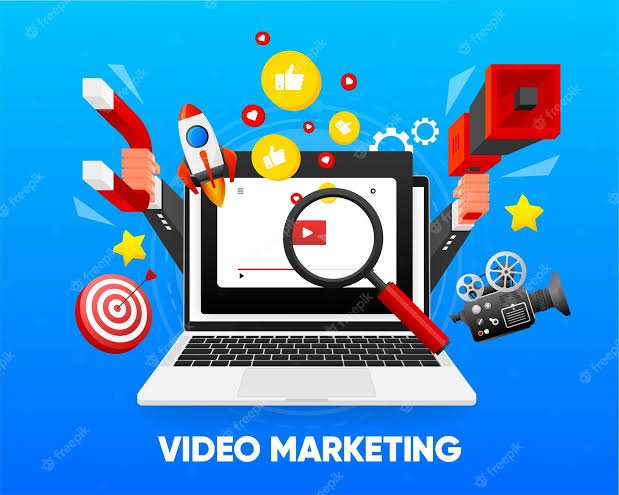
Why Video Marketing Is the Future of Digital Advertising

Digital advertising has come a long way since the early days of the internet. From static banner ads to interactive pop-ups, the evolution of digital advertising has been fascinating. However, one medium that has emerged as the future of digital advertising is video marketing. Video marketing is a powerful tool that can help businesses engage with their audience, build brand awareness, and ultimately increase sales. In this blog post, we will discuss why video marketing is the future of digital advertising and why businesses should start investing in it.

You can also check our 10 Tips for Creating High-Quality Video Content on a Budget

Section 1: Video Marketing is a Growing Trend

According to a report by Wyzowl, 87% of businesses now use video as a marketing tool. This is a clear indication that video marketing is a growing trend. Not only are businesses using video to promote their products or services, but they are also using it to connect with their customers on a deeper level. Video marketing is an excellent way to tell a brand’s story, showcase its personality, and build a loyal customer base.

Section 2: Video Marketing is More Engaging

One of the reasons why video marketing is so effective is that it is more engaging than other forms of digital advertising. Videos can convey information in a more interactive and memorable way. Videos can include images, music, and voiceovers that help to create a emotional connection with viewers. This emotional connection can lead to increased brand loyalty and sales.

Section 3: Video Marketing is More Memorable

Research has shown that people remember information better when it is presented in a visual format. In fact, according to a report by HubSpot, 80% of customers remember a video they have watched in the past month. This is a clear indication that video marketing is a more memorable form of advertising. By creating memorable videos, businesses can increase brand awareness and ultimately drive more sales.

Section 4: Video Marketing is More Shareable

One of the unique features of video marketing is that it is highly shareable. According to a report by Forbes, 92% of mobile video consumers share videos with others. This means that video marketing has the potential to reach a wider audience than other forms of digital advertising. When a video is shared, it can go viral and reach thousands, if not millions of people. This is an excellent way to increase brand awareness and generate more leads.

Section 5: Video Marketing is Cost Effective

Contrary to popular belief, video marketing doesn’t have to be expensive. With the rise of smartphones and affordable video editing software, businesses can create high-quality videos without breaking the bank. In fact, some of the most successful video marketing campaigns have been created on a shoestring budget. By investing in video marketing, businesses can get a high return on investment (ROI) for a relatively small investment.

Read also: The Importance of Content Marketing for Your Business

Section 6: Video Marketing is Measurable

One of the advantages of digital advertising is that it is measurable. The same is true for video marketing. With the help of analytics tools, businesses can measure the success of their video marketing campaigns. They can track metrics such as views, shares, and engagement rates to determine the effectiveness of their videos. By analyzing this data, businesses can make informed decisions about their future video marketing efforts.

Conclusion:

Video marketing is the future of digital advertising. It is a growing trend that is more engaging, memorable, shareable, cost-effective, and measurable than other forms of digital advertising. By investing in video marketing, businesses can connect with their customers on a deeper level, build brand awareness, and ultimately increase sales. So, if you haven’t started investing in video marketing yet, now is the time to do so.

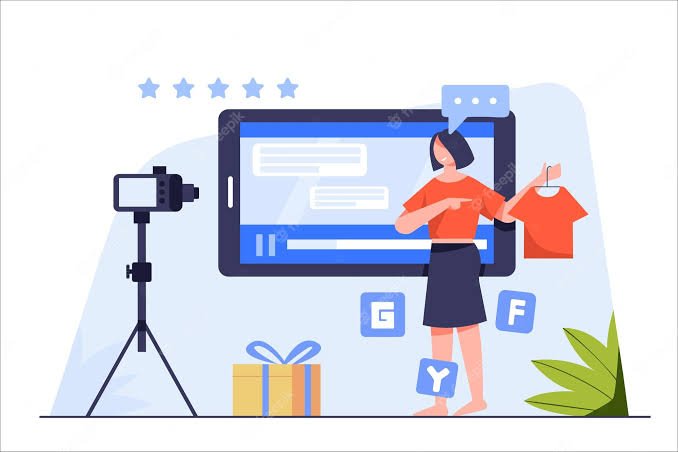
10 Tips for Creating High-Quality Video Content on a Budget

With the rise of video content, it has become increasingly important to create high-quality videos to engage your audience. Whether you are a YouTuber, a social media influencer, or a marketer, having good video content is essential to attract and retain viewers. However, creating professional videos can be expensive, especially if you are just starting out. Fortunately, with a few tips and tricks, you can create high-quality video content on a budget. In this blog post, we will share ten tips on how to make quality videos for YouTube, how to make good video edits, how to shoot videos with your phone, and how to make professional videos with an iPhone.

Read also: 5 Key Digital Marketing Strategies for Small Businesses

Plan Your Video Content:

The first step to creating high-quality video content is to plan your video carefully. Before you start filming, think about the message you want to convey and how you want to convey it. Create a script or an outline to help you stay on track and make sure your video flows smoothly. A well-planned video will make the editing process much easier and result in a better final product.

Invest in a Good Camera:

While you can shoot videos with your phone, investing in a good camera can make a big difference in the quality of your video. You don’t need to spend thousands of dollars on a professional camera, but a high-quality DSLR or mirrorless camera can produce sharper images and better color than a smartphone.

Use Natural Lighting:

Good lighting can make a huge difference in the quality of your video. Natural lighting is the best option for filming, as it is free and provides a soft, flattering light. Avoid harsh overhead lighting or fluorescent lighting, as they can cast unflattering shadows.

Invest in a Good Microphone:

Clear audio is just as important as good video quality. Investing in a good microphone can make a big difference in the quality of your audio. A lavalier or lapel microphone is a good choice for recording audio, as it can be clipped onto your clothing and pick up your voice clearly.

Read also: 6 Must-Have Tools for Digital Marketers

Use Tripod or Stabilizer:

Shaky footage can be distracting and unprofessional. Using a tripod or a stabilizer can help stabilize your footage and make it look smoother. You can even create a DIY stabilizer by attaching a weight to a string and holding it taut as you film.

Shoot in Landscape Orientation:

When filming videos, always shoot in landscape orientation rather than portrait. Landscape orientation fills the screen and looks much better on most platforms, including YouTube and other social media platforms.

Use Editing Software:

Editing your videos can make a big difference in the final product. Even basic editing software, like iMovie or Adobe Premiere Elements, can help you cut out mistakes, add music or sound effects, and create a professional-looking final product.

Keep It Short and Sweet:

In today’s fast-paced world, attention spans are short. Keeping your videos short and sweet can help keep your viewers engaged. A good rule of thumb is to keep your videos under five minutes, or even shorter if possible.

Read also: How to Create a Winning Social Media Strategy

Add Text or Graphics:

Adding text or graphics to your video can make it more engaging and help convey your message more clearly. Use simple graphics and text to highlight important points or add context to your video.

Use Royalty-Free Music:

Adding music to your video can help set the mood and make it more engaging. However, using copyrighted music can get you in legal trouble. Instead, use royalty-free music or music from sites like YouTube Audio Library to avoid any copyright issues.

Conclusion:

Creating high-quality video content on a budget is possible with a few tips and tricks. By planning your content, investing in good equipment, and using basic editing software, you can create professional-looking videos that engage your audience.

The Power of Storytelling in Content Marketing: How to Create Compelling Stories

In today’s digital age, content marketing is more important than ever. With so much information available online, it can be difficult to stand out and attract your target audience’s attention. One way to do this is through storytelling.

Stories are powerful tools that can help you connect with your audience on a deeper level and build strong relationships. In this blog post, we’ll explore the power of storytelling in content marketing and share some tips for creating compelling stories that will capture your audience’s attention.

Read also: The Importance of Content Marketing for Your Business

The Power of Storytelling in Content Marketing:

Stories create emotional connections:
Humans are wired to connect with stories. We use stories to make sense of the world around us, to learn, and to empathize with others. When you tell a story in your content marketing, you’re not just conveying information; you’re also creating an emotional connection with your audience. Emotions drive our decisions, and by tapping into those emotions, you can create a strong bond with your audience.

Stories make your brand more relatable:

In today’s world, consumers are looking for more than just products or services. They want to connect with brands that share their values and understand their needs. By telling stories that showcase your brand’s values, you can make your brand more relatable and trustworthy. For example, if your brand values sustainability, you could tell a story about how your company is reducing its carbon footprint.

Stories are memorable:

People remember stories much more easily than they remember facts and figures. This is because stories engage multiple areas of the brain, making them more memorable. When you tell a story in your content marketing, you’re more likely to stick in your audience’s mind than if you just list a bunch of features or benefits.

Stories set you apart:

In today’s crowded digital landscape, it can be challenging to stand out. But by telling a unique and compelling story, you can differentiate yourself from your competitors. Your story can help you create a distinctive brand identity that sets you apart and makes you more memorable.

How to Create Compelling Stories:

Know your audience:

Before you start crafting your story, it’s essential to know who you’re telling it to. Understanding your audience’s needs, values, and pain points will help you create a story that resonates with them. Take the time to research your target audience and get to know them on a deeper level.

Focus on the problem:

Every good story has a problem that needs to be solved. In your content marketing, focus on the problem that your product or service solves. By doing this, you’ll create a sense of urgency and show your audience why they need your product or service.

Use vivid language:

The language you use in your story can make a big difference. Use vivid language that paints a picture in your audience’s mind. This will help them visualize your story and make it more memorable.

Show, don’t tell:

Instead of telling your audience what your product or service does, show them. Use examples and anecdotes to illustrate how your product or service solves the problem. This will make your story more relatable and memorable.

Conclusion:

In conclusion, storytelling is a powerful tool in content marketing. By creating emotional connections, making your brand more relatable, being memorable, and setting yourself apart, stories can help you connect with your audience and build strong relationships. By knowing your audience, focusing on the problem, using vivid language, and showing, not telling, you can create compelling stories that capture your audience’s attention and drive engagement. So, the next time you create content, think about the story you want to tell and how it can help you connect with your audience.

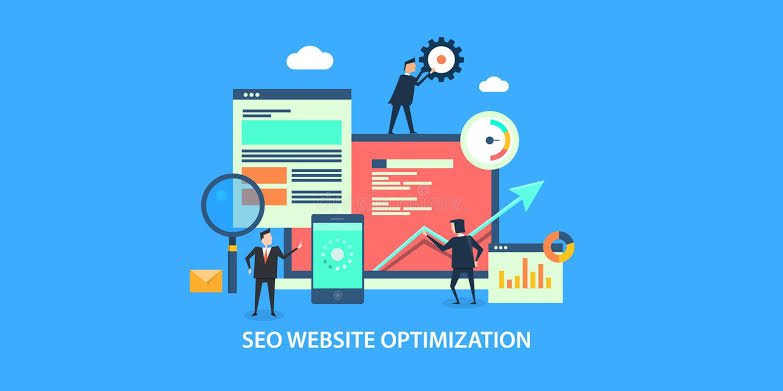
Why Local SEO Matters and How to Optimize Your Website for Local Searches

As more and more people turn to the internet to find local businesses, optimizing your website for local searches is more important than ever. Whether you run a small coffee shop, a dental clinic, or a local law firm, local SEO can help you reach potential customers in your area and drive more traffic to your website. In this blog post, we’ll explore why local SEO matters, and provide you with some tips on how to optimize your website for local searches.

Why Local SEO Matters:

Increase visibility in local searches
When people search for a product or service in their local area, they typically use search engines like Google, Bing, or Yahoo. By optimizing your website for local searches, you increase your chances of appearing at the top of the search engine results pages (SERPs) for relevant queries. This, in turn, increases your visibility to potential customers who are actively looking for what you have to offer.

Read also: 6 Must-Have Tools for Digital Marketers

Targeted traffic

Local SEO helps you target your audience more precisely. For example, if you run a small restaurant in New York City, optimizing your website for local searches will help you attract people who are looking for restaurants in that specific location. This means that the traffic you receive will be more targeted and more likely to convert into customers.

Competitive advantage

Optimizing your website for local searches can give you a competitive advantage over other businesses in your area that haven’t yet embraced local SEO. By appearing at the top of the SERPs for relevant queries, you can attract more customers and steal market share from your competitors.

How to Optimize Your Website for Local Searches:

Claim your Google My Business listing
Google My Business (GMB) is a free tool that allows you to manage your business information across Google, including search and Maps. By claiming your GMB listing, you can ensure that your business information is accurate and up-to-date, and you can also manage your online reputation by responding to reviews.

Optimize your website for local keywords
One of the most important aspects of local SEO is keyword research. You need to identify the keywords that your potential customers are using to find businesses like yours in your area, and then optimize your website for those keywords. This includes adding location-specific keywords to your website’s content, meta tags, and URLs.

Read also: 5 Key Digital Marketing Strategies for Small Businesses

Get listed in local directories

Getting listed in local directories is another important aspect of local SEO. You should make sure that your business is listed in popular directories like Yelp, YellowPages, and TripAdvisor. This not only helps with your local SEO efforts, but it also helps potential customers find your business more easily.

Build local backlinks

Backlinks are links from other websites that point to your website. Building backlinks from local websites and blogs can help improve your website’s authority and credibility in the eyes of search engines. You can build local backlinks by guest blogging, participating in local events, and sponsoring local charities and organizations.

Conclusion:

In conclusion, local SEO is a crucial aspect of online marketing for any business that wants to attract local customers. By optimizing your website for local searches, you can increase your visibility in the SERPs, attract targeted traffic, and gain a competitive advantage over your competitors. If you haven’t yet embraced local SEO, now is the time to do so. Use the tips outlined in this blog post to get started, and watch your local online presence grow.

The Power of Influencer Marketing: How to Get Started

Marketing has always been an integral part of any business strategy. With the advancement of technology, the marketing landscape has undergone significant changes. One such change is the emergence of influencer marketing.

Influencer marketing has become a powerful tool in the marketing world, especially for brands looking to connect with their target audience on a more personal level. In this blog post, we will explore the power of influencer marketing and provide you with some tips on how to get started.

Read also: How to Create a Winning Social Media Strategy

The Power of Influencer Marketing:

Influencer marketing is a type of marketing that focuses on using influential people to promote your brand, products, or services. These influential people could be celebrities, social media personalities, bloggers, or industry experts. They have a large following on social media platforms, and their followers trust and respect their opinions.

Influencer marketing has gained popularity in recent years because it has proven to be a highly effective way of promoting a brand. According to a study conducted by Influencer Marketing Hub, 63% of businesses plan to increase their influencer marketing budget in 2021. Another study found that for every $1 spent on influencer marketing, businesses earn an average of $5.78 in earned media value.

Read also: The Importance of Content Marketing for Your Business

One reason why influencer marketing works so well is that it is a more natural form of advertising. Influencers integrate products into their content, making the promotion seem more like a recommendation than an ad. This type of marketing is particularly effective for younger generations who are more likely to be influenced by recommendations from people they trust.

Getting Started with Influencer Marketing:

Now that we have established the power of influencer marketing, let’s look at how to get started.

Define your goals and target audience:

Before you start your influencer marketing campaign, it is essential to define your goals and target audience. What do you want to achieve with your campaign, and who are you trying to reach?

Find the right influencers:

Once you have defined your goals and target audience, the next step is to find the right influencers to work with. Look for influencers who are relevant to your brand and have a following that matches your target audience. You can use tools like Buzzsumo or Followerwonk to find relevant influencers.

Build relationships with influencers:

Influencer marketing is all about building relationships. Reach out to influencers you want to work with and start building a relationship with them. Follow them on social media, engage with their content, and start a conversation with them.

Read also: 6 Must-Have Tools for Digital Marketers

Collaborate with influencers:

Once you have built a relationship with influencers, it’s time to collaborate with them. Discuss your campaign goals, and let them know what you expect from them. Be clear about the type of content you want them to create and the timeline for the campaign.

Track your results:

Like any marketing campaign, it is essential to track your results. Monitor the engagement, reach, and sales generated by your influencer marketing campaign. This will help you determine the success of the campaign and make adjustments for future campaigns.

Conclusion:

In conclusion, influencer marketing has proven to be a highly effective way of promoting a brand. It is a more natural form of advertising that resonates with younger generations. To get started with influencer marketing, define your goals and target audience, find the right influencers, build relationships with them, collaborate with them, and track your results.

The Importance of Content Marketing for Your Business

Picture this: you’re at a party and trying to make new friends. You know you’re a fascinating person with a lot to offer, but no one seems interested. Suddenly, someone offers you the microphone and says, “Hey, everyone! This person has a lot of valuable insights to share!” Suddenly, everyone is listening, and you have a captive audience.

That’s the power of content marketing for your business. By creating valuable content that people want to read, watch, or listen to, you can attract potential customers and establish your authority in your industry.

In this blog post, we’ll dive into the importance of content marketing for your business, why it’s a vital part of your overall marketing strategy, and how you can get started.

Read also: 5 Key Digital Marketing Strategies for Small Businesses

Why Is Content Marketing Important?

Builds brand awareness:
Content marketing is an effective way to increase brand awareness. By creating valuable and engaging content, you can attract potential customers who are interested in your industry or niche. When people find your content helpful or entertaining, they’re more likely to remember your brand and recommend it to others.

Establishes your authority:

When you create high-quality content, you’re establishing yourself as an authority in your industry. By offering valuable insights and information, you’re building trust with your audience, and they’re more likely to turn to you when they need advice or guidance.

Generates leads:

Content marketing is a great way to generate leads for your business. By creating content that solves your audience’s problems or answers their questions, you’re attracting people who are actively looking for solutions. You can then capture their information through email sign-ups, free trials, or other lead generation tactics.

Improves SEO:

Creating valuable and engaging content is an effective way to improve your website’s search engine optimization (SEO). When you create content that people want to read, they’re more likely to spend time on your website, which can improve your bounce rate, time on page, and other important SEO metrics.

Cost-effective:

Content marketing is often more cost-effective than other forms of marketing, such as paid advertising. While it takes time and effort to create high-quality content, once it’s published, it can continue to attract leads and generate traffic for years to come.

Read also: 6 Must-Have Tools for Digital Marketers

How to Get Started with Content Marketing:

Define your audience:

The first step in content marketing is to define your target audience. Who are you creating content for? What are their pain points, interests, and preferences? By understanding your audience, you can create content that resonates with them and solves their problems.

Choose your format:


Content marketing can take many forms, including blog posts, videos, podcasts, social media posts, infographics, and more. Choose the format that works best for your audience and your business goals.

Develop a content strategy:

Once you know your audience and the format you’ll be using, it’s time to develop a content strategy. This should include a content calendar, topics to cover, and a plan for promoting your content.

Read also: How to Create a Winning Social Media Strategy

Create and publish your content:

The fun part! Start creating high-quality content that provides value to your audience. Be consistent in your publishing schedule and make sure your content aligns with your brand and business goals.

Promote your content:

Creating great content is only half the battle. You also need to promote it to your audience. Share your content on social media, email newsletters, and other channels where your audience is active.

Conclusion:

In today’s digital age, content marketing is essential for any business looking to establish its brand, generate leads, and connect with its audience. By creating valuable content that resonates with your target audience, you can establish yourself as an authority in your industry and attract potential customers. So, grab that microphone and start creating some amazing content that will help you stand out in a crowded market.

But remember, content marketing is not a one-time thing. It requires consistency and commitment to see results. You may not see immediate ROI, but the benefits of content marketing compound over time, as your content continues to attract leads and build your brand reputation.

And don’t forget to have fun with your content! Injecting humor, personal stories, or unique perspectives can make your content more engaging and memorable. As they say, laughter is the best medicine, and in the case of content marketing, it can also be the best way to connect with your audience.

In conclusion, content marketing is a powerful tool for businesses of all sizes and industries. By creating valuable and engaging content that resonates with your audience, you can establish your brand, attract potential customers, and ultimately grow your business. So, grab your microphone, get creative, and start creating content that will take your business to new heights!

How to Create a Winning Social Media Strategy

Social media has revolutionized the way people communicate, and businesses have taken notice. Having a social media presence is essential for companies of all sizes, but simply having an account isn’t enough. To stand out in the crowded digital space, you need a winning social media strategy.

Creating a social media strategy that works requires careful planning, creativity, and consistency. Whether you’re starting from scratch or looking to improve your existing strategy, this guide will provide you with actionable tips and insights to help you develop a winning social media plan.

Chapter 1: Define Your Goals

Before you dive into creating content and posting on social media, it’s essential to define your goals. What do you hope to achieve through social media? Are you looking to increase brand awareness, generate leads, drive website traffic, or improve customer engagement?

Once you have identified your goals, you can start developing a strategy that aligns with them. For example, if your goal is to increase brand awareness, you might focus on creating engaging content that resonates with your target audience and share it across various social media platforms.

Chapter 2: Know Your Audience

One of the most critical components of a successful social media strategy is understanding your audience. Who are your customers, and what social media platforms do they use? What type of content do they engage with the most?

Knowing your audience will help you create content that resonates with them, increasing the chances of engagement, shares, and ultimately, conversions. Use social media analytics to gather insights on your audience’s demographics, interests, and behavior, and use these insights to inform your content strategy.

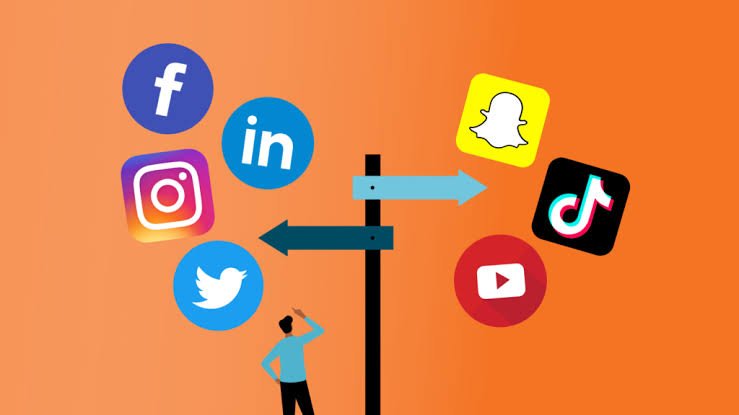
Chapter 3: Choose the Right Platforms

With so many social media platforms available, it can be challenging to determine which ones are the best fit for your business. Each platform has its unique strengths and audience demographics, and choosing the right ones can make all the difference in your social media strategy’s success.

Consider your business goals and audience demographics when selecting social media platforms. For example, if you’re targeting a younger audience, you might focus on TikTok and Instagram. If you’re in the B2B space, LinkedIn might be the best fit. It’s essential to focus your efforts on the platforms where your audience is most active to maximize your reach and engagement.

Chapter 4: Develop a Content Strategy

Creating high-quality, engaging content is a crucial aspect of a winning social media strategy. But with so much content available online, it can be challenging to stand out from the crowd.

When developing your content strategy, focus on creating content that aligns with your business goals and resonates with your audience. Use a mix of formats, such as images, videos, infographics, and blog posts, to keep your content fresh and engaging.

Chapter 5: Plan Your Posting Schedule

Posting regularly is essential to keep your audience engaged and your brand top of mind. But how often should you post? It depends on the platform and your audience.

Use social media analytics to determine the optimal posting frequency for each platform. Generally, posting once a day on Facebook and Instagram and several times a day on Twitter is a good starting point. Remember to prioritize quality over quantity and avoid overwhelming your audience with too many posts.

Chapter 6: Engage with Your Audience

Social media is a two-way conversation. To build a loyal following and foster brand loyalty, it’s essential to engage with your audience regularly.

Respond to comments and messages promptly, ask for feedback, and encourage user-generated content. Use social media listening tools to monitor brand mentions and respond to any negative feedback proactively.

Chapter 7: Analyze and Adjust

A winning social media strategy is an ongoing process that requires constant analysis and adjustment. Use social media analytics to track your progress, identify what’s working and what’s not, and make adjustments accordingly.

Look at metrics such as engagement rates, follower growth, click-through rates, and conversions to determine the effectiveness of your strategy. Use this information to refine your approach, tweak your content, and adjust your posting schedule.

Chapter 8: Stay on Top of Trends

Social media is constantly evolving, and new trends emerge all the time. To stay relevant and engage your audience, it’s essential to stay on top of these trends and incorporate them into your strategy where appropriate.

Follow industry blogs and news outlets, attend conferences and events, and monitor social media trends to stay informed. Consider experimenting with new formats, such as live video or Stories, to keep your content fresh and engaging.

Conclusion:

Creating a winning social media strategy requires careful planning, creativity, and consistency. By defining your goals, understanding your audience, choosing the right platforms, developing a content strategy, planning your posting schedule, engaging with your audience, analyzing and adjusting your approach, and staying on top of trends, you can develop a strategy that drives engagement, builds brand awareness, and generates leads and conversions.

Remember, creating a winning social media strategy is not a one-and-done task. It requires ongoing analysis and refinement to stay ahead of the curve and keep your audience engaged. But with the right approach and a bit of creativity, you can develop a strategy that helps your business stand out in the crowded digital space.

And as a bonus tip, if you’re ever stuck for social media content ideas, just remember: social media is like a box of chocolates. You never know what you’re going to get, but sometimes, it’s surprisingly sweet.

6 Must-Have Tools for Digital Marketers

Digital marketing is constantly evolving and it can be challenging to keep up with the latest trends and tools. In order to stay ahead of the competition, it’s important to have a comprehensive toolkit that can help you optimize your campaigns, analyze your data, and create compelling content. In this blog post, we will explore the six must-have tools for digital marketers that can help you streamline your workflow and achieve your marketing goals.

Google Analytics:

Google Analytics is a powerful tool that can provide you with valuable insights into your website traffic and user behavior. With Google Analytics, you can track the number of visitors to your website, their demographic information, their interests, and their engagement with your content. This information can be used to optimize your website and create targeted campaigns that resonate with your audience. Additionally, Google Analytics offers a range of features such as goal tracking, funnel analysis, and real-time reporting that can help you measure the effectiveness of your marketing efforts.

Read also: 5 Key Digital Marketing Strategies for Small Businesses

SEMrush:

SEMrush is an all-in-one SEO tool that can help you improve your website’s search engine rankings and visibility. With SEMrush, you can conduct keyword research, track your competitors, and analyze your backlinks. You can also use SEMrush to monitor your website’s search engine ranking positions, track your paid search campaigns, and audit your website’s SEO performance.

Hootsuite:

Hootsuite is a social media management tool that can help you manage your social media presence across multiple platforms. With Hootsuite, you can schedule posts in advance, monitor your social media accounts, and engage with your followers. You can also use Hootsuite to track social media analytics and measure the success of your social media campaigns.

Canva:

Canva is a graphic design tool that can help you create stunning visuals for your digital marketing campaigns. With Canva, you can create social media posts, infographics, presentations, and more. Canva offers a wide range of templates, images, and design elements that can be customized to match your brand’s style and messaging.

Mailchimp:

Mailchimp is an email marketing tool that can help you create and send professional-looking emails to your subscribers. With Mailchimp, you can create email campaigns, automate your email marketing, and analyze your email performance. Mailchimp also offers a range of templates and design tools that can help you create visually appealing emails that capture your subscribers’ attention.

Hotjar:

Hotjar is a website optimization tool that can help you understand how your website visitors interact with your site. With Hotjar, you can see how visitors navigate your website, where they click, and where they drop off. This information can be used to optimize your website’s design and user experience, improve your conversion rates, and increase your website’s overall performance.

Conclusion:

Digital marketing requires a combination of creativity, strategy, and the right tools. With these six must-have tools, you can streamline your workflow, optimize your campaigns, and achieve your marketing goals. Whether you’re looking to improve your website’s SEO, increase your social media presence, or create compelling content, these tools can help you take your digital marketing to the next level. So, start exploring these tools today and see how they can help you succeed in the world of digital marketing.

5 Key Digital Marketing Strategies for Small Businesses

In today’s digital age, small businesses must implement digital marketing strategies to compete with large corporations. Digital marketing can be a cost-effective way to reach a wider audience and drive more sales. However, with so many different digital marketing strategies available, it can be challenging for small businesses to know where to start. In this blog post, we will discuss five key digital marketing strategies that small businesses should consider implementing.

1. Social Media Marketing

Social media platforms such as Facebook, Instagram, and Twitter have become essential for businesses to reach their target audience. According to Statista, there were 3.6 billion social media users worldwide in 2020, and this number is expected to increase to 4.4 billion by 2025. By creating and sharing engaging content on social media platforms, small businesses can build brand awareness, increase website traffic, and generate leads.

To start, small businesses should identify their target audience and the social media platforms they use most frequently. By doing so, they can tailor their content to resonate with their audience and reach them where they are most active. Additionally, businesses should engage with their audience by responding to comments, direct messages, and creating interactive content such as polls and quizzes.

2. Search Engine Optimization (SEO)

Search engine optimization (SEO) is the process of optimizing a website to improve its ranking on search engines such as Google. By ranking higher on search engines, small businesses can increase their visibility and drive more traffic to their website.

To improve their SEO, small businesses should focus on creating high-quality, relevant, and engaging content that incorporates keywords and phrases relevant to their target audience. Additionally, businesses should ensure their website is mobile-friendly, has a fast loading speed, and has a clear site structure that makes it easy for users to navigate.

3. Pay-Per-Click (PPC) Advertising

Pay-per-click (PPC) advertising is a digital marketing strategy where businesses pay for each click on their ad. PPC advertising can be an effective way for small businesses to reach their target audience and drive more traffic to their website.

To create a successful PPC campaign, small businesses should identify their target audience, set a budget, and select relevant keywords and phrases to target. Additionally, businesses should create compelling ad copy and use engaging visuals to grab the attention of their audience.

4. Email Marketing

Email marketing is a digital marketing strategy where businesses send promotional messages to a group of subscribers via email. By creating and sending engaging and relevant content, small businesses can nurture leads, build relationships with their audience, and increase sales.

To start, small businesses should build an email list by encouraging website visitors to sign up for their newsletter or offering a lead magnet such as an ebook or free trial. Additionally, businesses should segment their email list and tailor their content to specific segments based on their interests and behavior.

5. Content Marketing

Content marketing is the process of creating and sharing valuable, relevant, and engaging content to attract and retain a target audience. By creating and sharing high-quality content such as blog posts, infographics, and videos, small businesses can establish themselves as thought leaders in their industry, build brand awareness, and drive more traffic to their website.

To create a successful content marketing strategy, small businesses should identify their target audience and the type of content they are most interested in consuming. Additionally, businesses should ensure their content is optimized for search engines and share their content on social media platforms to reach a wider audience.

Conclusion

In today’s digital age, small businesses must implement digital marketing strategies to compete with larger corporations. By implementing the five key digital marketing strategies discussed in this blog post, small businesses can reach their target audience, drive more traffic to their website, and increase sales. However, it’s essential to remember that digital marketing is an ever-changing landscape, and it’s crucial for small businesses to stay up-to-date with the latest trends and best practices. Additionally, it’s important to measure the success of each digital marketing strategy and adjust accordingly to ensure optimal results.

In conclusion, digital marketing can be a game-changer for small businesses, but it can be overwhelming to know where to start. By implementing the five key digital marketing strategies discussed in this blog post – social media marketing, search engine optimization, pay-per-click advertising, email marketing, and content marketing – small businesses can effectively reach their target audience, build brand awareness, and drive more sales. So, what are you waiting for? Get started on your digital marketing journey today and take your small business to the next level!

Design a site like this with WordPress.com
Get started