Mastering Digital Marketing with Fiverr: Proven Techniques and Expert Insights for Success!

Digital marketing has become a vital component of modern business strategies. With the rise of social media, e-commerce, and the increasing reliance on online channels for brand promotion and customer engagement, mastering digital marketing is crucial for business success.

However, navigating the complex world of digital marketing can be overwhelming, especially for small businesses and startups with limited resources. That’s where Fiverr, the popular online freelance marketplace, comes into play. In this blog post, we will explore how Fiverr can help you master digital marketing with proven techniques and expert insights for success.

Part 1: Why Fiverr is a Game-Changer for Digital Marketing

Fiverr has revolutionized the way businesses approach digital marketing by offering a vast pool of freelancers with diverse skill sets and expertise. Whether you need help with social media management, search engine optimization (SEO), content creation, email marketing, or any other aspect of digital marketing, you can find a qualified professional on Fiverr. The platform allows you to easily browse through thousands of profiles, compare prices, read reviews, and select the best freelancer for your specific needs and budget. This flexibility and accessibility make Fiverr a game-changer for businesses looking to optimize their digital marketing strategies.

Part 2: Proven Techniques for Digital Marketing Success on Fiverr

Once you’ve decided to leverage Fiverr for your digital marketing needs, it’s important to employ proven techniques to ensure success. Here are some expert insights on how to master digital marketing with Fiverr:

Define Your Goals: Before hiring a freelancer on Fiverr, it’s crucial to define your digital marketing goals. What are you trying to achieve? Who is your target audience? What channels do you want to focus on? By having a clear understanding of your objectives, you can communicate effectively with your freelancer and ensure that they align with your vision.

Research and Select the Right Freelancer: Fiverr offers a vast pool of freelancers, so it’s essential to do thorough research and select the right one for your project. Read their profiles, check their portfolios, and read reviews from previous clients to gauge their expertise and professionalism. Look for freelancers with relevant experience and positive feedback to increase the chances of success.

Communicate Clearly: Communication is key to successful digital marketing projects on Fiverr. Clearly communicate your expectations, requirements, and deadlines to your freelancer. Provide detailed briefs and be responsive to their questions and suggestions. Regularly check in on the progress of the project and provide feedback to ensure that it meets your expectations.

Be Realistic About Pricing: While Fiverr offers affordable digital marketing services, it’s important to be realistic about pricing. Don’t always go for the cheapest option, as it may not always deliver the best results. Freelancers with higher rates may have more experience and expertise, and their investment can pay off in the long run. Consider your budget and the value you’re getting for your money when selecting a freelancer.

Review and Refine: Once the project is completed, review the work and provide feedback to your freelancer. If necessary, ask for revisions or modifications to ensure that the final deliverables meet your expectations. Use the feedback loop to refine your digital marketing strategies and optimize future projects on Fiverr.

Part 3: Expert Insights from Successful Digital Marketers on Fiverr

To provide further insights into mastering digital marketing with Fiverr, we reached out to successful digital marketers who have leveraged the platform for their business needs. Here’s what they had to say:

Fiverr has been a game-changer for my business. I’ve hired freelancers for various digital marketing tasks such as social media management, content creation, and SEO, and the results have been outstanding. The key to success on Fiverr is to clearly define your goals, communicate effectively with freelancers, and be willing to invest in quality services. Don’t just go for the cheapest option, but rather prioritize expertise and experience. It’s also important to provide clear feedback and be open to revisions to ensure that the final deliverables align with your vision.” – Sarah, CEO of a digital marketing agency.

Fiverr has been a valuable resource for my startup. As a small business with limited resources, I needed cost-effective solutions for digital marketing, and Fiverr delivered. I’ve hired freelancers for website design, social media advertising, and email marketing, and the results have been impressive. The key is to do thorough research, read reviews, and communicate your expectations clearly. Fiverr has enabled me to access top-notch talent without breaking the bank, and it has been a game-changer for my business.” – John, Founder of a startup e-commerce business.

Fiverr has been my go-to platform for digital marketing services. As a solopreneur, I don’t have the bandwidth to handle all aspects of digital marketing, so I rely on Fiverr freelancers for tasks such as content writing, graphic design, and SEO. The key to success on Fiverr is to build a relationship with reliable freelancers and maintain clear communication. I’ve found that investing in quality services from experienced freelancers has paid off in terms of improved website traffic, engagement, and conversions.” – Maria, Solopreneur and blogger.

Conclusion:

Mastering digital marketing is essential for business success in today’s digital age, and Fiverr can be a game-changer in helping you achieve your goals. By leveraging the vast pool of talented freelancers on Fiverr, you can access expert insights and proven techniques to optimize your digital marketing strategies.


Remember to define your goals, research and select the right freelancers, communicate clearly, be realistic about pricing, and review and refine your projects. By following these best practices and learning from successful digital marketers, you can harness the power of Fiverr to master digital marketing and drive business success. So, why wait? Start exploring Fiverr today and unlock the potential of digital marketing for your business!

Viral Content Made Easy: Mastering Social Media Shares

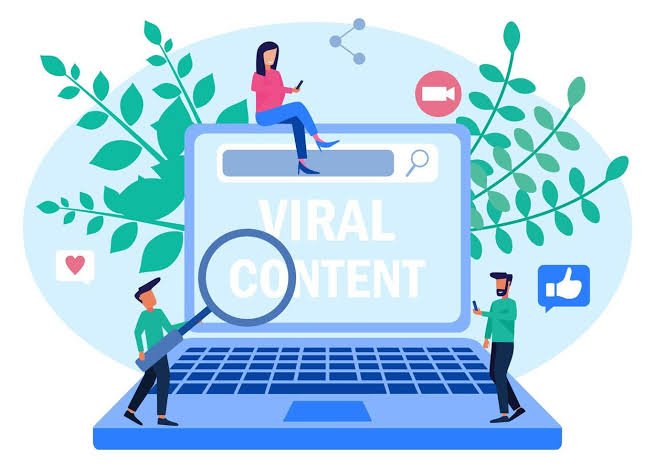
Social media has revolutionized the way we communicate and share information with each other. The power of social media has made it possible for anyone to create viral content that can reach millions of people in a matter of hours. Viral content has the ability to increase brand awareness, drive traffic to your website, and ultimately, increase sales. However, creating viral content is easier said than done. In this blog post, we will explore the art of creating viral content and provide you with some tips and tricks on how to master social media shares.

Read also: Social Media Marketing 2023: Get Ready to Dominate!

Part 1: What Makes Content Go Viral?

Before we dive into the tips and tricks, it’s important to understand what makes content go viral. Viral content is typically emotional, funny, relatable, or informative. People share content that makes them feel something, whether it’s joy, anger, or sadness. Viral content also tends to have a unique angle or perspective that sets it apart from other content. Finally, viral content is often timely and relevant to current events or trends.

Part 2: Tips for Creating Viral Content

Now that we understand what makes content go viral, let’s explore some tips and tricks for creating viral content:

Know Your Audience: To create viral content, you need to know your audience inside and out. This means understanding their pain points, interests, and values. You can use social media analytics tools to gain insights into your audience’s demographics, behaviors, and preferences.

Tell a Story: People love stories. Stories help us connect with each other and make us feel something. If you want your content to go viral, tell a story that resonates with your audience. Your story should have a clear beginning, middle, and end, and it should be relatable and emotional.

Use Visuals: Visuals are an essential component of viral content. Images and videos are more engaging than text alone, and they can help you convey your message in a more compelling way. Make sure your visuals are high-quality and relevant to your content.

Be Timely: Timeliness is key when it comes to viral content. If you can tie your content into a current event or trend, you’ll have a better chance of it going viral. Keep an eye on what’s trending on social media and find a way to incorporate it into your content.

Make it Shareable: Finally, make sure your content is easy to share. Include social sharing buttons on your website or blog, and encourage your followers to share your content on their own social media profiles. The easier it is to share your content, the more likely it is to go viral.

Part 3: Promoting Your Viral Content

Creating viral content is only half the battle. Once you’ve created your content, you need to promote it to maximize its reach. Here are some tips for promoting your viral content:

Share it on Social Media: Share your content on all of your social media profiles. Make sure you use relevant hashtags and tag influencers or brands that are relevant to your content.

Read also: The Power of Influencer Marketing: How to Get Started

Reach out to Influencers: Reach out to influencers or brands that are relevant to your content and ask them to share it with their followers. This can help you reach a wider audience and increase the chances of your content going viral.

Use Paid Advertising: Consider using paid advertising to promote your content. Platforms like Facebook and Instagram offer advertising options that can help you reach a targeted audience.

Repurpose Your Content: Repurpose your viral content into different formats, such as infographics or podcasts. This can help you reach a different audience and extend the life of your content.

Conclusion:

Creating viral content is a powerful way to increase your brand’s visibility and reach a wider audience. By understanding what makes content go viral and following the tips and tricks we’ve outlined, you can increase your chances of creating content that resonates with your audience and gets shared widely on social media. Remember to tell a story, use visuals, be timely, make it shareable, and promote your content on social media and through other channels. Viral content is not easy to create, but with a little bit of strategy and creativity, you can master the art of social media shares and take your brand to the next level.

Social Media Marketing 2023: Get Ready to Dominate!

In today’s digital age, social media has become an integral part of our lives. It has revolutionized the way we communicate, interact and do business. Social media marketing is the process of using social media platforms to promote a brand, product, or service. It is a powerful tool for businesses to connect with their audience, build brand awareness, and increase sales. With the continuous growth of social media, it is important to stay up-to-date on the latest trends and strategies to stay ahead of the competition. In this blog post, we will discuss the top social media marketing trends that will dominate in 2023 and how businesses can leverage them to succeed.

Read also: Why Video Marketing Is the Future of Digital Advertising

Part 1: The Rise of Video Content

Video content has been on the rise for years and is expected to continue to dominate social media in 2023. People love to watch videos and engage with them on social media platforms such as YouTube, Instagram, TikTok, and Facebook. According to a survey, by 2022, video content will account for 82% of all internet traffic. This trend presents a huge opportunity for businesses to create engaging video content that resonates with their target audience.

Businesses should consider investing in creating high-quality video content that educates, entertains, and inspires their audience. Short-form videos such as Instagram Reels and TikTok have become increasingly popular and offer a great way to capture the attention of the younger audience. Live videos are another great way to engage with the audience in real-time and create a sense of authenticity and transparency.

Part 2: Social Commerce

Social commerce is the integration of e-commerce and social media. It enables businesses to sell products and services directly through social media platforms. In 2023, social commerce is expected to grow exponentially as consumers continue to shift towards online shopping. Social media platforms such as Instagram and Facebook have already introduced features such as Instagram Shops and Facebook Marketplace, making it easier for businesses to sell products on their platforms.

To take advantage of social commerce, businesses need to optimize their social media profiles, create a seamless shopping experience, and provide excellent customer service. By doing so, businesses can turn their social media followers into customers and increase their revenue.

Read also: The Dos and Don’ts of Video Marketing: A Beginner’s Guide

Part 3: Personalization and AI

Personalization has become an important part of social media marketing. It involves tailoring content to the specific needs and interests of the target audience. In 2023, businesses will need to focus on personalization to stand out from the competition. Artificial Intelligence (AI) will play a key role in personalization, enabling businesses to analyze data and provide personalized recommendations to their audience.

AI-powered chatbots will also become more popular in 2023, providing businesses with a cost-effective way to provide 24/7 customer service. Chatbots can answer common customer queries, provide product recommendations, and even process orders.

Part 4: Influencer Marketing

Influencer marketing has become a popular way for businesses to reach their target audience through social media. It involves collaborating with influencers who have a large following on social media to promote a brand, product, or service. Influencer marketing is expected to continue to grow in 2023 as businesses realize the value of partnering with influencers.

Businesses should consider partnering with micro-influencers who have a smaller following but are more niche and engaged. Micro-influencers can provide a more targeted approach to influencer marketing and offer a higher return on investment.

Part 5: Social Listening

Social listening is the process of monitoring social media platforms for mentions of a brand, product, or service. In 2023, social listening will become more important as businesses strive to provide excellent customer service and build brand reputation. Social listening can help businesses identify customer pain points, improve their products or services, and address customer complaints.

To take advantage of social listening, businesses should use social media monitoring tools to track brand mentions, hashtags, and competitor activity. By analyzing the data collected from social listening, businesses can make informed decisions and improve their social media strategy.

Read also: 10 Advanced SEO Techniques to Boost Your Website’s Ranking

Part 6: Virtual and Augmented Reality

Virtual and augmented reality (VR/AR) technology has been around for a while, but it has yet to reach its full potential in social media marketing. In 2023, VR/AR is expected to become more prevalent in social media marketing, providing businesses with a new way to engage with their audience. VR/AR can create immersive experiences, enabling businesses to showcase their products or services in a new and exciting way.

Businesses should consider incorporating VR/AR into their social media strategy by creating virtual tours, product demos, and interactive experiences. This technology can help businesses stand out from the competition and provide a unique experience for their audience.

Conclusion:

Social media marketing is constantly evolving, and businesses need to stay up-to-date on the latest trends and strategies to stay ahead of the competition. In 2023, businesses should focus on creating engaging video content, optimizing their social media profiles for social commerce, personalizing content with the help of AI, partnering with micro-influencers, monitoring social media for brand mentions, and using VR/AR to create immersive experiences. By doing so, businesses can increase brand awareness, connect with their target audience, and drive sales. It is time to get ready to dominate social media marketing in 2023!

From Click to Conversion: The Ultimate Guide to Crafting Killer PPC Ad Campaigns

Pay-per-click (PPC) advertising is one of the most effective ways to drive targeted traffic to your website and increase conversions. However, crafting a killer PPC ad campaign is not an easy task. It requires extensive research, planning, and execution to get the desired results. In this ultimate guide, we will cover everything you need to know to create a successful PPC ad campaign, from keyword research and ad copywriting to landing page optimization and conversion tracking. So, let’s dive in!

Read also: Unleashing the Power of PPC Advertising: Tips and Tricks for Maximizing ROI

Chapter 1: Keyword Research

The foundation of any successful PPC ad campaign is keyword research. Your ads should be relevant and targeted to the right audience. Start by brainstorming a list of keywords related to your product or service. Then, use keyword research tools like Google AdWords Keyword Planner, SEMrush, and Ahrefs to expand your list and identify high-volume, low-competition keywords.

Next, organize your keywords into ad groups based on their relevance to each other. This will help you create targeted ads that speak to the specific needs of your audience.

Chapter 2: Ad Copywriting

Once you have identified your keywords and ad groups, it’s time to craft compelling ad copy. Your ad copy should be attention-grabbing, relevant, and persuasive. It should also include a clear call-to-action (CTA) that tells the user what to do next.

Start by writing a headline that captures the user’s attention and includes your keyword. Use adjectives and power words to create a sense of urgency and excitement. Next, write a description that highlights the benefits of your product or service and includes your CTA.

Don’t forget to include ad extensions like sitelinks, callouts, and structured snippets to provide additional information and increase the chances of conversion.

Read also: 5 Key Digital Marketing Strategies for Small Businesses

Chapter 3: Landing Page Optimization

Once a user clicks on your ad, they should be taken to a landing page that is relevant to their search query and provides a seamless user experience. Your landing page should be optimized for conversions by including a clear headline, a strong value proposition, and a prominent CTA.

Make sure your landing page loads quickly and is mobile-responsive. Use A/B testing to test different variations of your landing page to identify what works best.

Chapter 4: Conversion Tracking

Finally, to measure the success of your PPC ad campaign, you need to track conversions. Set up conversion tracking in your PPC platform to track actions like form submissions, phone calls, and purchases.

Use this data to analyze the performance of your campaign and identify areas for improvement. Adjust your keyword targeting, ad copy, and landing page optimization based on the insights you gain from your conversion tracking data.

Conclusion

Crafting a killer PPC ad campaign requires extensive research, planning, and execution. By following the steps outlined in this ultimate guide, you can create a campaign that drives targeted traffic to your website and increases conversions. Remember to conduct thorough keyword research, write compelling ad copy, optimize your landing page for conversions, and track your conversions to measure your success. With the right strategy and execution, you can take your PPC ad campaigns from click to conversion and achieve your business goals.

Unleashing the Power of PPC Advertising: Tips and Tricks for Maximizing ROI

In today’s highly competitive digital landscape, businesses need to take advantage of all available channels to reach and engage their target audience. One of the most effective and efficient ways to do this is through Pay-per-Click (PPC) advertising. By unleashing the power of PPC, businesses can drive more traffic, leads, and conversions, while maximizing their Return on Investment (ROI).

However, to achieve success with PPC, you need more than just throwing money at Google Ads or Facebook. In this blog post, we will share some tips and tricks for maximizing your ROI and unleashing the power of PPC advertising.

Read also: 5 Key Digital Marketing Strategies for Small Businesses

Section 1: Understanding the Basics of PPC Advertising

PPC advertising is a model of digital marketing where advertisers pay a fee each time a user clicks on one of their ads. These ads can appear on various platforms such as Google, Bing, Facebook, Instagram, and LinkedIn. The cost per click (CPC) of these ads depends on various factors, including the competition for the ad space, the relevance of the ad to the user’s search query, and the quality of the landing page that the ad leads to.

To get started with PPC advertising, you need to set up an account on the advertising platform of your choice, create your ad campaigns, select your target audience, and set your budget. Once your ad campaigns are live, you can monitor and optimize them to maximize your ROI.

Section 2: Tips and Tricks for Maximizing ROI with PPC Advertising

Conduct Thorough Keyword Research
The success of your PPC campaign depends on the keywords you choose. Conduct thorough keyword research to identify the keywords that your target audience is using to search for your products or services. Use keyword research tools such as Google Keyword Planner, SEMrush, Ahrefs, and Moz to find high-volume and low-competition keywords that you can target in your ads.

Write Compelling Ad Copy

Your ad copy is the first impression that your target audience has of your business. Write compelling ad copy that resonates with your audience and highlights the benefits of your products or services. Use attention-grabbing headlines, persuasive calls-to-action (CTAs), and relevant ad extensions to make your ads stand out from the competition.

Optimize Your Landing Pages

Your landing pages are where your ads lead to, and they play a crucial role in converting your clicks into leads and sales. Optimize your landing pages to ensure that they are relevant, informative, and user-friendly. Use clear and concise headlines, compelling visuals, and persuasive CTAs to guide your visitors towards your conversion goals.

Target the Right Audience

Targeting the right audience is crucial for the success of your PPC campaigns. Use the targeting options provided by the advertising platforms to narrow down your audience based on factors such as demographics, interests, behaviors, and location. This will help you reach the people who are most likely to be interested in your products or services.

Monitor and Optimize Your Campaigns

PPC advertising is not a set-it-and-forget-it strategy. You need to monitor and optimize your campaigns regularly to ensure that you are getting the best possible results. Use the analytics and reporting tools provided by the advertising platforms to track your performance metrics, such as click-through rate (CTR), conversion rate (CVR), cost per click (CPC), and return on ad spend (ROAS). Use this data to make informed decisions about your ad campaigns and adjust your targeting, ad copy, and landing pages accordingly.

Unleashing the Full Potential of PPC Advertising: Strategies for Maximum ROI

PPC advertising is a powerful tool for businesses to reach and engage their target audience, drive more traffic, leads, and conversions, and maximize their ROI. By understanding the basics of PPC advertising, conducting thorough keyword research, writing compelling ad copy, optimizing your landing pages, targeting the right audience, and monitoring and optimizing your campaigns, you can unleash the power of PPC and achieve your digital marketing goals.

In conclusion, PPC advertising is not a magic wand that can instantly boost your sales and profits. It requires careful planning, strategic execution, and continuous optimization to deliver the desired results. However, with the right approach and mindset, you can unleash the power of PPC advertising and take your business to new heights of success.

And now, as a funny metaphor to end this blog post, think of PPC advertising as a race car. You need to choose the right fuel, optimize the engine, steer in the right direction, and stay alert to avoid obstacles and adjust your course. With skill, perseverance, and a bit of luck, you can win the race and reach the finish line in style!

Crafting Irresistible Emails That Get Results

Email marketing is one of the most effective ways to reach out to potential and existing customers. It is a cost-effective and efficient method that can help you build strong relationships with your customers and drive sales. However, with so many emails being sent every day, it can be challenging to stand out and get results. Crafting irresistible emails that get results is an art that requires a combination of creativity, strategy, and execution. In this blog post, we will explore some of the best practices for crafting irresistible emails that get results.

Read also: Personalization: The Key to Email Marketing Success

Part 1: Crafting the Perfect Subject Line

The subject line is the first thing that your recipient will see in their inbox. Therefore, it is crucial to make it attention-grabbing and enticing enough to encourage them to open your email. Here are some tips for crafting the perfect subject line:

Keep it short and sweet. People receive hundreds of emails daily, so keep your subject line brief and to the point.

Personalize it. Use the recipient’s name or include their company name to make it feel more personal.

Use action-oriented language. Use verbs to create a sense of urgency and encourage action.

Use humor or curiosity. Make your recipient curious or laugh by using a witty or intriguing subject line.

Part 2: Writing Compelling Email Content

Once your recipient opens your email, it’s essential to engage them with compelling content. Here are some tips for writing compelling email content:

Keep it short and sweet. People have a short attention span, so keep your email content brief and to the point.

Focus on benefits. Highlight how your product or service can help solve their problems or meet their needs.

Use storytelling. Tell a story that connects with your audience and creates an emotional connection.

Use a conversational tone. Write as if you are talking to a friend, not a salesperson.

Part 3: Designing an Eye-catching Email

Your email design plays a crucial role in whether your email gets read or deleted. Here are some tips for designing an eye-catching email:

Use a simple layout. Keep your design clean and straightforward to avoid overwhelming your recipient.

Use high-quality images. Use images that are relevant and of high quality to create a visually appealing email.

Use whitespace. Use whitespace to break up the content and make it easier to read.

Use a clear call-to-action. Use a clear and prominent call-to-action to encourage your recipient to take action.

Part 4: Optimizing for Deliverability

Your email will only get results if it actually lands in your recipient’s inbox. Here are some tips for optimizing your emails for deliverability:

Use a reputable email service provider. Use a reputable email service provider that can help improve your email deliverability.

Use a clean email list. Regularly clean your email list to remove inactive or invalid email addresses.

Avoid spam trigger words. Avoid using words that are commonly associated with spam to avoid triggering spam filters.

Use a clear sender name and email address. Use a recognizable sender name and email address to improve your email’s chances of getting delivered.

Conclusion:

Crafting irresistible emails that get results is a combination of creativity, strategy, and execution. By following the best practices outlined in this blog post, you can improve your email open rates, engagement, and conversion rates. Remember to keep your subject lines attention-grabbing, your content compelling, your design eye-catching, and your emails optimized for deliverability. With these tips, you’ll be on your way to crafting irresistible emails that get results. So, go ahead and start crafting those emails that your recipients will love to read!

Personalization: The Key to Email Marketing Success

In today’s digital age, email marketing has become an essential part of any successful business’s marketing strategy. But with so many emails flooding inboxes, it can be challenging to capture a subscriber’s attention. This is where personalization comes in – tailoring your emails to your subscribers’ unique interests and preferences. Personalization is the key to email marketing success, and in this blog post, we’ll explore how and why it works.

Read also: 6 Must-Have Tools for Digital Marketers

What is Personalization in Email Marketing?

Personalization in email marketing is the practice of customizing email content to make it more relevant to the recipient. This can include using their first name in the subject line or greeting, recommending products or services based on their browsing history or purchase history, and even personalizing the email’s design based on their preferences.

Why is Personalization Important in Email Marketing?

Personalization is crucial in email marketing because it helps to build a deeper connection with your subscribers. By tailoring your emails to their interests and needs, you show them that you understand them and care about their experience. This can lead to increased engagement, higher open and click-through rates, and ultimately, more sales.

Personalization also helps to reduce unsubscribe rates and spam complaints. When subscribers receive emails that are relevant and useful to them, they’re more likely to stay subscribed and engage with your content. On the other hand, if they receive irrelevant or spammy emails, they’re more likely to unsubscribe or mark your emails as spam.

Read also: 5 Key Digital Marketing Strategies for Small Businesses

How to Personalize Your Emails

There are several ways to personalize your emails, including:

Read also: The Importance of Content Marketing for Your Business

  • Using the recipient’s name in the subject line and greeting.
  • Segmenting your email list based on interests or behaviors.
  • Recommending products or services based on their browsing or purchase history.
  • Personalizing the email design based on their preferences.
  • Sending targeted offers or promotions based on their behavior.
  • It’s essential to collect data from your subscribers to personalize your emails effectively. This can include information such as their name, location, interests, and purchase history. You can gather this data through sign-up forms, surveys, and by tracking their behavior on your website.

Best Practices for Personalizing Your Emails

While personalization can be a powerful tool in email marketing, there are some best practices to keep in mind to ensure you’re doing it effectively:

Don’t overdo it. While personalization can be effective, using someone’s name in every sentence or over-segmenting your email list can come across as creepy or intrusive.
Test, test, test. It’s essential to test different personalization strategies to see what works best for your audience. This can include testing different subject lines, personalization tokens, and email designs.
Be transparent. Let your subscribers know why you’re collecting their data and how you plan to use it. This can help build trust and prevent any privacy concerns.
Keep it relevant. Personalization only works if it’s relevant to the recipient. Make sure you’re using data that’s useful to them and tailoring your content accordingly.

Conclusion:

Personalization is the key to email marketing success. By customizing your emails to your subscribers’ unique interests and preferences, you can build a deeper connection with them and increase engagement, open rates, and ultimately, sales. Remember to collect data from your subscribers, test different personalization strategies, and keep it relevant and transparent. With these best practices in mind, you’ll be on your way to email marketing success. And, as always, have fun with it! Personalization doesn’t have to be dull or dry. Inject your brand’s personality and make your emails a delight for your subscribers to receive.

The Dos and Don’ts of Video Marketing: A Beginner’s Guide

In today’s digital world, video marketing has become an essential part of any business’s marketing strategy. Video marketing allows businesses to connect with their audience and build a more significant brand presence. However, video marketing is not just about creating a video and sharing it on your website or social media platforms. There are specific dos and don’ts that you should follow to ensure that your video marketing efforts are successful. In this blog post, we’ll explore the dos and don’ts of video marketing for beginners.

Read also: Why Video Marketing Is the Future of Digital Advertising

Dos:

Create a Strategy: Before you start creating videos, it’s essential to have a clear plan of what you want to achieve with your video marketing. Define your goals, target audience, and budget. This will help you create videos that are tailored to your audience and meet your business’s objectives.

Tell a Story: Your videos should tell a story that resonates with your audience. Whether it’s a brand story or a customer story, make sure it’s engaging and connects emotionally with your audience. This will help you build trust and a stronger brand image.

Keep it Short and Sweet: Attention spans are short, so make sure your videos are short and to the point. Aim for videos that are no longer than 2-3 minutes. This will keep your audience engaged and more likely to watch your video to the end.

Optimize for SEO: Make sure your videos are optimized for SEO. This includes optimizing the title, description, and tags. This will help your videos rank higher on search engines and reach a wider audience.

Include a Call-to-Action: Always include a call-to-action at the end of your videos. This could be asking your audience to visit your website, sign up for your newsletter, or follow you on social media. This will help you convert viewers into customers.

Read also: 10 Tips for Creating High-Quality Video Content on a Budget

Don’ts:

Make it Boring: The last thing you want is for your audience to get bored while watching your videos. Make sure your videos are engaging, entertaining, and informative.

Forget About Quality: Quality matters when it comes to video marketing. Make sure your videos are high-quality, with clear audio and visuals. This will help you build trust and credibility with your audience.

Ignore Your Audience: Your audience should be at the center of your video marketing strategy. Make sure you understand their needs, preferences, and pain points. This will help you create videos that resonate with them and build a stronger relationship.

Overdo It: While video marketing is essential, you don’t want to overdo it. Don’t create too many videos that are low-quality or irrelevant. This can damage your brand’s reputation and turn off your audience.

Forget to Promote: Once you’ve created your videos, don’t forget to promote them. Share them on your website, social media platforms, and other relevant channels. This will help you reach a wider audience and maximize your ROI.

Conclusion:

Video marketing can be a powerful tool for any business looking to build a stronger brand presence and connect with their audience. However, it’s essential to follow the dos and don’ts of video marketing to ensure your efforts are successful. By creating a strategy, telling a story, keeping it short and sweet, optimizing for SEO, and including a call-to-action, you can create videos that resonate with your audience and help you achieve your business objectives. On the other hand, by avoiding boring content, focusing on quality, understanding your audience, not overdoing it, and promoting your videos, you can avoid common pitfalls and maximize your ROI. With these tips in mind, you can take your video marketing efforts to the next level and create videos that truly make an impact.

10 Advanced SEO Techniques to Boost Your Website’s Ranking

Search Engine Optimization, or SEO, is the process of optimizing your website to rank higher on search engine results pages (SERPs). Ranking higher in search engine results is crucial for driving traffic and leads to your website. However, SEO is not as easy as it used to be. With the changing algorithms and the increasing competition, advanced SEO techniques are necessary to get ahead. In this blog post, we will discuss 10 advanced SEO techniques to boost your website’s ranking.

Read also: Why Local SEO Matters and How to Optimize Your Website for Local Searches

Voice Search Optimization:

With the rise of voice assistants like Alexa and Google Home, voice search is becoming more and more popular. Voice search is different from traditional search as it often includes long-tail keywords and conversational queries. Therefore, optimizing your website for voice search is essential to rank higher in voice search results. Some ways to optimize for voice search include creating content in a conversational tone, including FAQ pages, and using schema markup.

Mobile-First Indexing:

Google has been prioritizing mobile-first indexing since 2018, which means they now use the mobile version of your website as the primary version for indexing and ranking. Therefore, it’s essential to have a mobile-friendly website to rank higher in search engine results. You can make your website mobile-friendly by using responsive design, optimizing images, and reducing page load time.

Video SEO:

Video content is becoming increasingly popular, and it’s an excellent way to engage with your audience. However, videos don’t rank themselves, and video SEO is essential to rank higher in search engine results. Some ways to optimize your videos include using keywords in video titles and descriptions, adding video transcripts, and optimizing video thumbnails.

Local SEO:

Local SEO is critical for small businesses that rely on local customers. Local SEO involves optimizing your website for local search queries, such as “coffee shops near me.” Some ways to optimize your website for local SEO include claiming your Google My Business listing, creating location-specific pages, and building local backlinks.

Structured Data:

Structured data, also known as schema markup, is a way to provide additional information to search engines about your website. Structured data can help search engines understand the content of your website better, which can lead to higher rankings. Some ways to use structured data include using local business schema, product schema, and FAQ schema.

Featured Snippets:

Featured snippets, also known as “position zero,” are snippets of content that appear at the top of search engine results. Optimizing your content for featured snippets can help you rank higher and drive more traffic to your website. Some ways to optimize your content for featured snippets include creating high-quality content, answering commonly asked questions, and formatting your content in a way that is easy for search engines to understand.

Image SEO:

Optimizing your images can help you rank higher in image search results, which can drive more traffic to your website. Some ways to optimize your images include using descriptive file names, adding alt text, and compressing images for faster loading times.

User Experience:

User experience is an essential factor in SEO because search engines want to provide the best results for their users. Therefore, optimizing your website for a positive user experience can help you rank higher in search engine results. Some ways to optimize user experience include improving page speed, making your website easy to navigate, and ensuring your website is mobile-friendly.

Social Media:

While social media signals are not a direct ranking factor, social media can indirectly influence your website’s ranking. Having an active social media presence can help you build brand awareness, drive traffic to your website, and build backlinks. Some ways to use social media for SEO include sharing your content on social media, engaging with your followers, and building relationships with influencers in your industry.

Link Building

Link building is the process of acquiring backlinks to your website from other websites. Backlinks are a crucial ranking factor, and having high-quality backlinks can help you rank higher in search engine results. However, link building should be done in a natural and ethical way to avoid being penalized by search engines. Some ways to build backlinks include creating high-quality content that others will want to link to, reaching out to other websites in your industry, and participating in guest blogging.

Mastering Advanced SEO Techniques for Better Website Ranking

SEO is a complex and constantly evolving field, and advanced techniques are necessary to stay ahead of the competition. By implementing these 10 advanced SEO techniques, you can boost your website’s ranking and drive more traffic to your website. Remember that SEO is not a one-time task but an ongoing process, so be patient and persistent in your efforts. With a little bit of humor, creativity, and hard work, you can see your website rise to the top of search engine results.

Content Marketing vs. Traditional Advertising: Which One Is More Effective?

Marketing has undergone a significant transformation over the past decade, with the rise of digital marketing, social media, and search engines. This evolution has led to the development of content marketing and traditional advertising. While both these marketing techniques have their own benefits, it’s important to understand which one is more effective. In this blog post, we’ll explore the differences between content marketing and traditional advertising, their benefits, drawbacks, and which one can be more effective for your business.

What is Content Marketing?

Content marketing is a marketing technique that focuses on creating and sharing valuable, relevant, and consistent content to attract and retain a clearly defined audience. The content can be in various formats, such as blog posts, videos, podcasts, webinars, eBooks, white papers, and more. The goal of content marketing is to provide information that solves problems, educates, entertains, or inspires the target audience.

Read also: 5 Creative Content Marketing Ideas to Stand Out in 2023

What is Traditional Advertising?

Traditional advertising is a marketing technique that uses paid media to promote products or services through TV commercials, radio ads, billboards, print ads, and direct mail. The goal of traditional advertising is to increase brand awareness, generate leads, and drive sales. Unlike content marketing, traditional advertising focuses on interrupting the target audience with ads that promote the benefits of the product or service.

Read also: Why Video Marketing Is the Future of Digital Advertising

Benefits of Content Marketing:

Builds Trust and Credibility: By consistently providing valuable and relevant content to your target audience, you can establish your business as an expert in your industry. This can help build trust and credibility with your audience, which can lead to increased brand loyalty and repeat customers.

Increases Website Traffic and SEO: Content marketing can help drive organic traffic to your website by providing valuable information that people are searching for. By optimizing your content for search engines, you can increase your website’s visibility in search results and attract more visitors to your site.

Cost-effective: Content marketing is generally more cost-effective than traditional advertising because it doesn’t require a large advertising budget. You can create and distribute content on your website, social media, or other platforms at little to no cost.

Targeted: With content marketing, you can target specific segments of your audience with content that addresses their specific needs, challenges, or interests. This can help improve the effectiveness of your marketing efforts and increase conversions.

Long-term Results: Content marketing can provide long-term benefits for your business by creating evergreen content that continues to drive traffic and leads to your website even months or years after it was first published.

Drawbacks of Content Marketing:

Time-consuming: Creating high-quality content that resonates with your audience can be time-consuming and requires a significant investment of resources, including time, money, and talent.

Requires expertise: Creating effective content requires a deep understanding of your target audience, their needs, challenges, and interests. It also requires expertise in content creation, distribution, and promotion.

Results may take time: Content marketing is a long-term strategy that requires patience and persistence. It may take several months or even years to see significant results from your content marketing efforts.

Benefits of Traditional Advertising:

Mass Reach: Traditional advertising can reach a large audience quickly through TV commercials, radio ads, billboards, and print ads. This can be particularly effective for businesses that want to build brand awareness and reach a broad audience.

Immediate Results: Traditional advertising can generate immediate results in terms of leads and sales. This can be particularly effective for businesses that need to drive sales quickly.

Creative Freedom: Traditional advertising allows for more creative freedom to showcase the benefits of the product or service through engaging visuals, sounds, and messaging.

Targeted: Traditional advertising can be targeted to specific demographics, interests, or locations through media buying and placement.

Drawbacks of Traditional Advertising:

High Cost: Traditional advertising can be expensive, especially for businesses with limited budgets. The cost of producing TV commercials, radio ads, and print ads can quickly add up, making it difficult for small businesses to compete with larger companies.

Low Engagement: Traditional advertising is often seen as interruptive and can be ignored or skipped by the audience. This can result in low engagement rates and lower return on investment (ROI) for businesses.

Limited Metrics: Traditional advertising lacks the detailed analytics and metrics provided by digital marketing. It can be difficult to track the effectiveness of traditional advertising campaigns and measure the ROI accurately.

Short-lived Results: Traditional advertising campaigns can have short-lived results. Once the ad is over, the impact and reach of the campaign may decrease quickly, limiting its long-term effectiveness.

Content Marketing vs. Traditional Advertising: Which One Is More Effective?

Both content marketing and traditional advertising have their own strengths and weaknesses. The effectiveness of each marketing technique depends on several factors, including the business’s goals, target audience, industry, budget, and marketing objectives.

For businesses that want to build trust, credibility, and authority in their industry, content marketing can be more effective. Content marketing is also more cost-effective, provides long-term benefits, and is more targeted than traditional advertising. However, content marketing requires a significant investment of time, resources, and expertise to create high-quality content that resonates with the audience.

For businesses that want to reach a broad audience quickly, generate immediate leads and sales, and have more creative freedom, traditional advertising can be more effective. However, traditional advertising can be expensive, have low engagement rates, limited metrics, and short-lived results.

The Road Ahead: Choosing the Right Marketing Approach for Your Business

In conclusion, the effectiveness of content marketing vs. traditional advertising depends on several factors, including the business’s goals, target audience, industry, budget, and marketing objectives. Both marketing techniques have their own benefits and drawbacks, and it’s important to choose the one that best fits your business’s needs and resources.

However, in today’s digital age, where consumers are bombarded with ads and messages, creating high-quality and relevant content that solves problems, educates, entertains, or inspires the audience can be more effective in building trust, credibility, and loyalty with the target audience. So, if you want to succeed in the long-term, consider investing in content marketing and creating a consistent and valuable content strategy that resonates with your audience. Remember, the best content doesn’t just sell a product or service, but it provides value to the audience and builds a relationship of trust and loyalty.

Design a site like this with WordPress.com
Get started